


ShiZen Tea
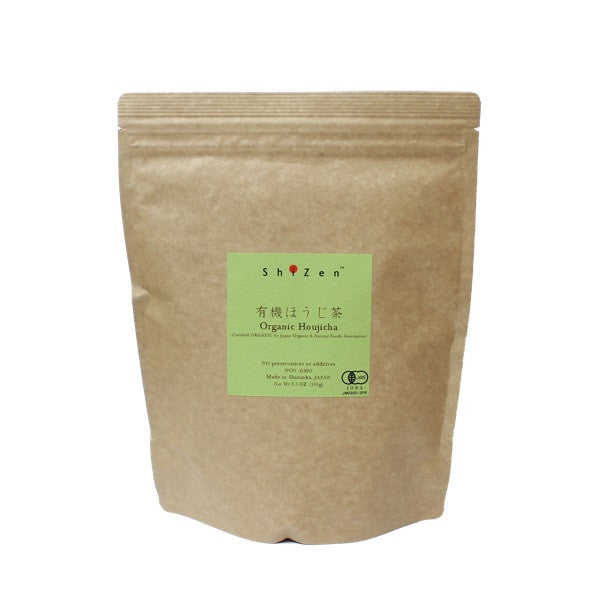
Organic Hojicha -Roasted Green Tea- 3.5 oz (100g)
Organic Hojicha -Roasted Green Tea- 3.5 oz (100g)
Shipping from Japan
Select a country to see shipping rates.
- Tracked shippingUS$8.99
Postal service · 7–14 business days (up to 21)
- Express shippingUS$28.90
FedEx / DHL / EMS · 4–8 days · Tracking provided
Shipping is not currently available for this destination.
Couldn't load pickup availability
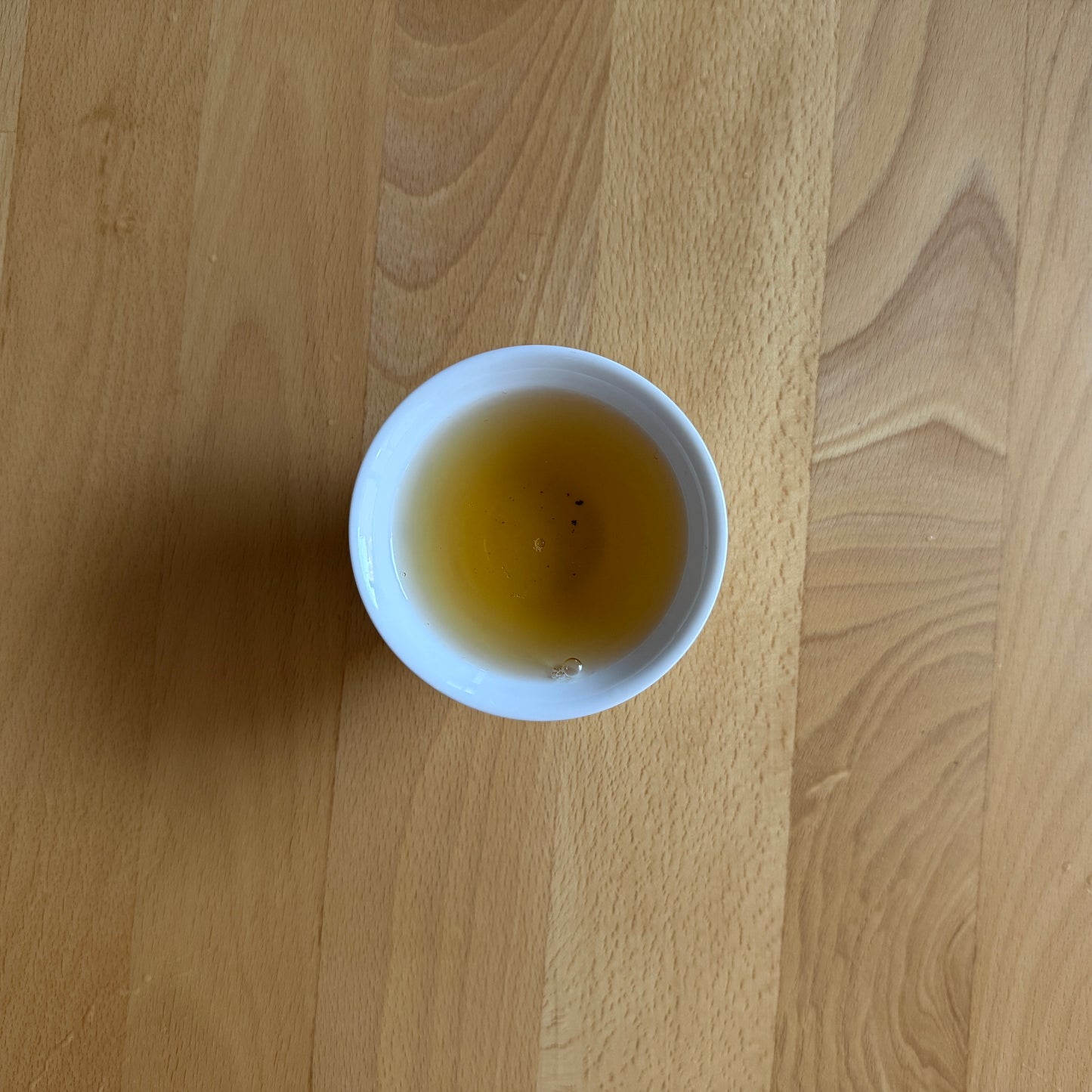
A warm, lighter-roast organic hojicha for an easy cup after meals, with a toasty aroma, gentle sweetness, and very low bitterness. Organic sencha leaf from Mie, Kagoshima, and Shizuoka is roasted by Meiko Chagyo in Shizuoka.
Taste profile
How to brew
An Organic Hojicha, Roasted in Shizuoka by Meiko Chagyo
Hojicha is green tea after the roast — and a hojicha is only ever as good as the roasting behind it. This one is a blend of organic sencha from Mie, Kagoshima, and Shizuoka, roasted in Shizuoka by Meiko Chagyo, a tea company recognized for exactly that craft.
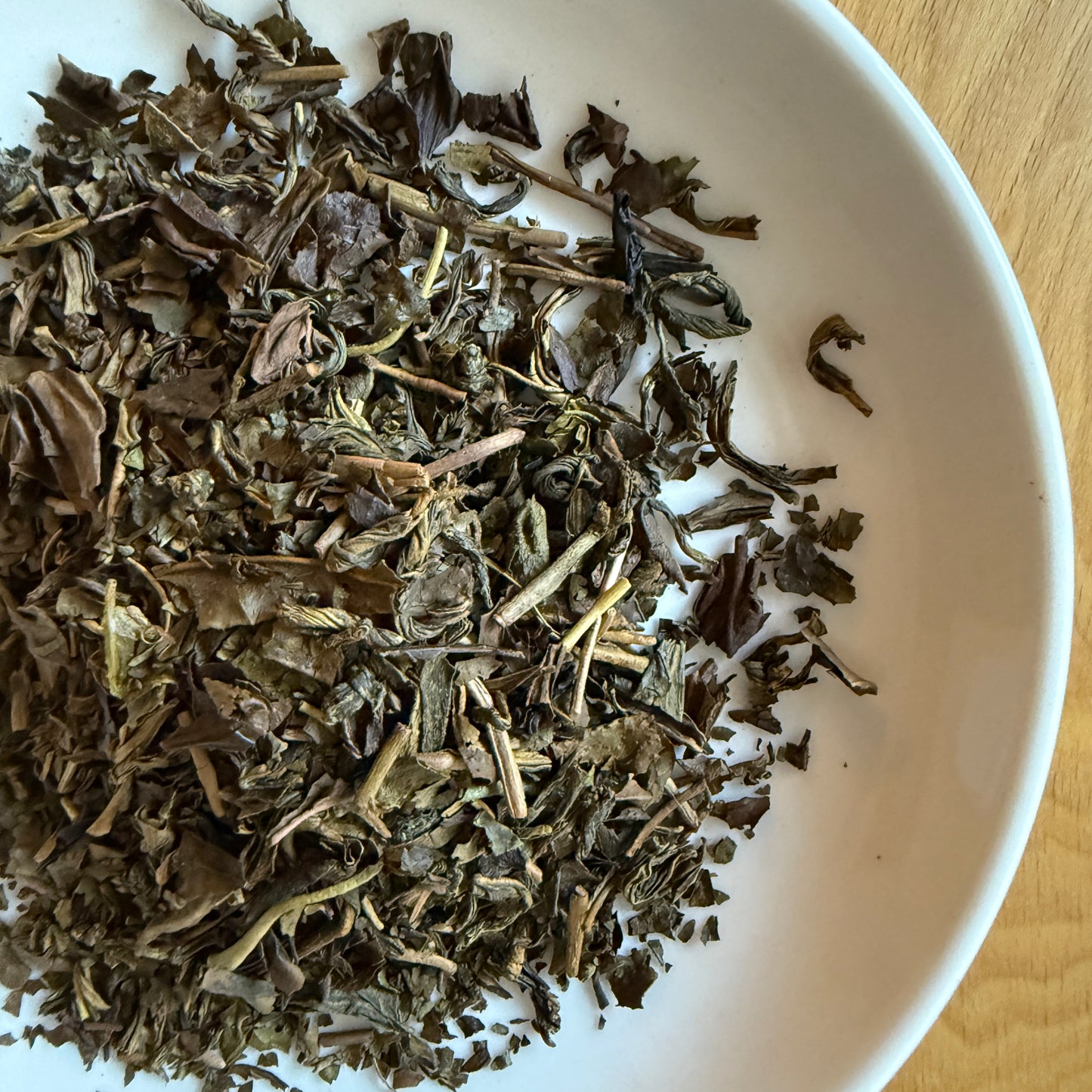
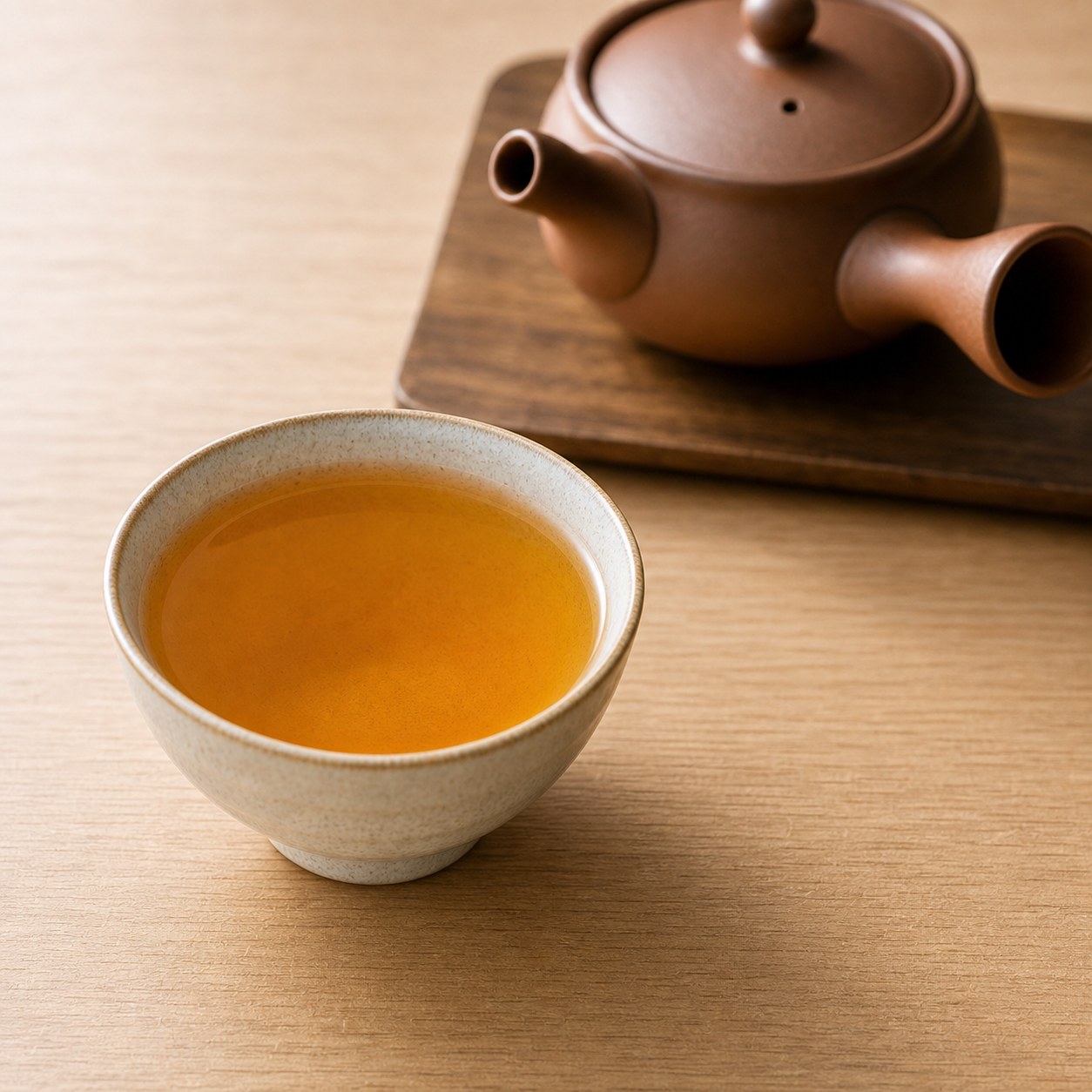
In Japanese tea, the final step is a controlled firing — a measured roast that "finishes" the leaf. Hojicha takes that firing further: the green leaf is roasted until it turns brown, and the grassy briskness of green tea gives way to a warm, toasty, gently nutty cup. This one is a lighter-roast hojicha — Meiko Chagyo stops short of a deep char, so alongside the toasted aroma the cup keeps some of the sencha leaf's natural umami and sweetness. Where a deep-roast hojicha trades that umami away for a sharper, more roast-dominated character, this one holds on to both. Roasting also leaves hojicha naturally lower in caffeine than unroasted green tea.
Meiko Chagyo has taken the top Gold Award multiple times — most recently in 2019 — at a Japanese competition that judges tea-finishing and firing technique, the very craft a good hojicha depends on. We like this tea warm, after a meal or in the evening: it is gentle, comforting, and easy enough for anyone at the table.
Who This Tea Is For
- For people who find green tea's grassy briskness too sharp and want a warm, mellow cup
- For after meals and evenings — a comforting cup that is naturally low in caffeine
- For drinkers who want a hojicha that still keeps some green-tea umami, not an all-roast cup
- For new Japanese-tea drinkers who want an easy, approachable place to start
- For a tea the whole household can share, and for customers building a side-by-side tea comparison
What Makes This Tea Different
- Award-recognized roasting: A hojicha is made by its roast. Meiko Chagyo, the Shizuoka tea company that roasts this blend, has been given the top Gold Award multiple times at a Japanese competition that judges tea-finishing and firing — the roasting craft. That recognition is for Meiko Chagyo's finishing work overall, applied here to this hojicha.
- A lighter roast that keeps the umami: Most hojicha is roasted dark. This one is a deliberately lighter roast, so the cup carries the toasty aroma and still keeps some of the sencha leaf's natural umami and sweetness — the rounder, less sharp side of hojicha. It also means the tea rewards a cooler, slower brew as much as a hot, quick one (see How to Brew).
- An organic sencha base, blended across three regions: This hojicha is roasted from JAS-certified organic sencha leaf — not stems or coarse bancha — blended across Mie, Kagoshima, and Shizuoka for a rounded, consistent everyday cup.
- JAS Organic certification: Certified under Japan's JAS Organic standard.
How to Brew Organic Hojicha
Hot Brew
- Tea: 3g
- Water: 100ml / 3.4 fl oz
Because this is a lighter-roast hojicha, the water temperature genuinely changes the cup — pick the side you want:
- Hotter — around 95-100 C / 203-212 F, about 30 seconds: leads with the toasted, roasted aroma; the bright, crisp side of hojicha.
- Cooler — around 80 C / 176 F, about 1 minute: the lighter roast lets the sencha leaf's umami come forward — a rounder, gently savory, sweeter cup.
Both are good, just different. Hojicha is forgiving and hard to over-brew, so it is worth trying it both ways.
Second Infusion
- Water: Near-boiling
- Time: About 20 seconds
Iced Hojicha
- Tea: 6g
- Water: 100ml / 3.4 fl oz, near-boiling, then poured over plenty of ice
- Time: About 60 seconds before pouring over ice
Brew it strong and hot, then pour over ice — the roasted aroma carries through into the cold cup.
Cold Brew
- Tea: 5g
- Water: 500-700ml / 17-24 fl oz, cold
- Time: 6 hours or longer in the refrigerator
A long, cold steep brings out a clean, mellow sweetness with very little bitterness — a gentle, refreshing way to drink hojicha in warm weather.
Organic Certification
This tea is certified organic under Japan's JAS Organic standard and is sold as organic in the U.S. under the U.S.-Japan organic equivalence arrangement. The organic sencha leaf is grown to that standard before Meiko Chagyo roasts it into hojicha.
Teas to Try Alongside This One
Hojicha is the warm, roasted corner of Japanese tea. These companions sit naturally beside it in a few teas.
- Organic Sencha: the unroasted everyday green tea from a similar organic sencha leaf — a clean side-by-side of roasted vs unroasted.
- Organic Genmaicha with Matcha: another warm, toasty cup — green tea with roasted brown rice — for anyone who likes this roasted style.
Choosing a Few Teas
This tea ships directly from Japan. If you are choosing a few teas together — this hojicha pairs naturally with an everyday sencha and a matcha so you can taste the range of Japanese tea side by side.
Comparison FAQ
Is this tea organic?
Yes. This hojicha is roasted from JAS-certified organic sencha and is certified under Japan's JAS Organic standard.
How is hojicha different from sencha or other green tea?
Hojicha is green tea that has been roasted. Sencha and most Japanese green teas are not roasted, so they taste fresh, green, and a little brisk. Hojicha is roasted until the leaf turns brown, which trades that briskness for a warm, toasty, nutty character — and roasting also leaves it lower in caffeine.
Is this a dark, deeply roasted hojicha?
No — this is a deliberately lighter roast. A deep-roast hojicha has a bold, roast-dominated character with very little umami; it tastes sharp and refreshing. This lighter-roast hojicha keeps some of the sencha leaf's umami and sweetness alongside the toasty aroma, for a rounder, gentler cup. Brew it cooler — around 80 C — and that umami side comes forward.
Does hojicha have caffeine?
Hojicha does contain some caffeine, but less than unroasted green tea — the high heat of roasting reduces it. That is part of why hojicha is a common choice after meals and later in the day.
Is this a leaf hojicha or a stem hojicha?
This is a leaf hojicha — it is roasted from organic sencha leaf. Some hojicha is made from stems (kukihojicha); this one uses the leaf, for a fuller, rounder roasted cup.
Can I make iced hojicha?
Yes — two ways. For a quick iced cup, brew strong and hot and pour over plenty of ice; the roasted aroma carries through. For a gentler, sweeter cold brew, steep the leaf in cold water in the refrigerator for at least 6 hours (see the brewing guide above for amounts).
FAQ
Q. How soon will my order be shipped?
A. We typically ship orders within 1-3 business days. In the rare event that an item is out of stock, it may take longer. If that happens, we will contact you directly to discuss the options.
Q. What is your return policy?
A. If there is a quality issue, damage, defect, or wrong item, please contact us within 30 days so we can arrange a refund or replacement. Unopened tea in its original factory-sealed package and unused tea ware can be returned within 14 days. Opened tea cannot be returned for food-safety reasons. Orders can be cancelled before shipment. Please see our Refund Policy for the full terms.
Q. Is this tea organic?
A. Yes. This tea is certified organic under Japan's JAS Organic standard and is sold as organic in the U.S. under the U.S.-Japan organic equivalence arrangement.
Q. Will I have to pay customs and import taxes?
A. For U.S. orders, import duties and related charges are currently handled by ShiZen Tea when applicable, so you should not normally be asked to pay customs charges on delivery. For other countries, customs duties, import taxes, or local fees may vary depending on your country's regulations and may be charged to the buyer. Please check with your local customs authority if you are unsure.
Q. Can I track my order?
A. Yes, tracking is available for all orders. Once your order has been shipped, you will receive a confirmation email containing your tracking number and a link to track your package.
Q. How much caffeine does this tea contain?
A. Yes. Like other Japanese green teas, this tea contains caffeine. The exact amount can vary depending on the tea amount, water temperature, and steeping time. If you are sensitive to caffeine, we recommend enjoying it earlier in the day.
Q. How should I store the tea?
A. Please store the tea in a cool, dark place, away from heat, humidity, and direct sunlight. After opening, seal the package tightly and enjoy it as soon as possible, while the aroma is still fresh.
Q. What payment methods do you accept?
A. We accept all major credit cards (Visa, MasterCard, American Express) as well as PayPal.