


ShiZen Tea
Saemidori 2025 Final Batch「さえみどり」- Premium Sencha from Kagoshima 50g
Saemidori 2025 Final Batch「さえみどり」- Premium Sencha from Kagoshima 50g
A dose of sunshine
Shipping from Japan
Select a country to see shipping rates.
- Tracked shippingUS$8.99
Postal service · 7–14 business days (up to 21)
- Express shippingUS$28.90
FedEx / DHL / EMS · 4–8 days · Tracking provided
Shipping is not currently available for this destination.
About 16 cups per pouch
Approx. $0.50 per cup
Couldn't load pickup availability
A mellow Saemidori final-batch sencha from Kagoshima.
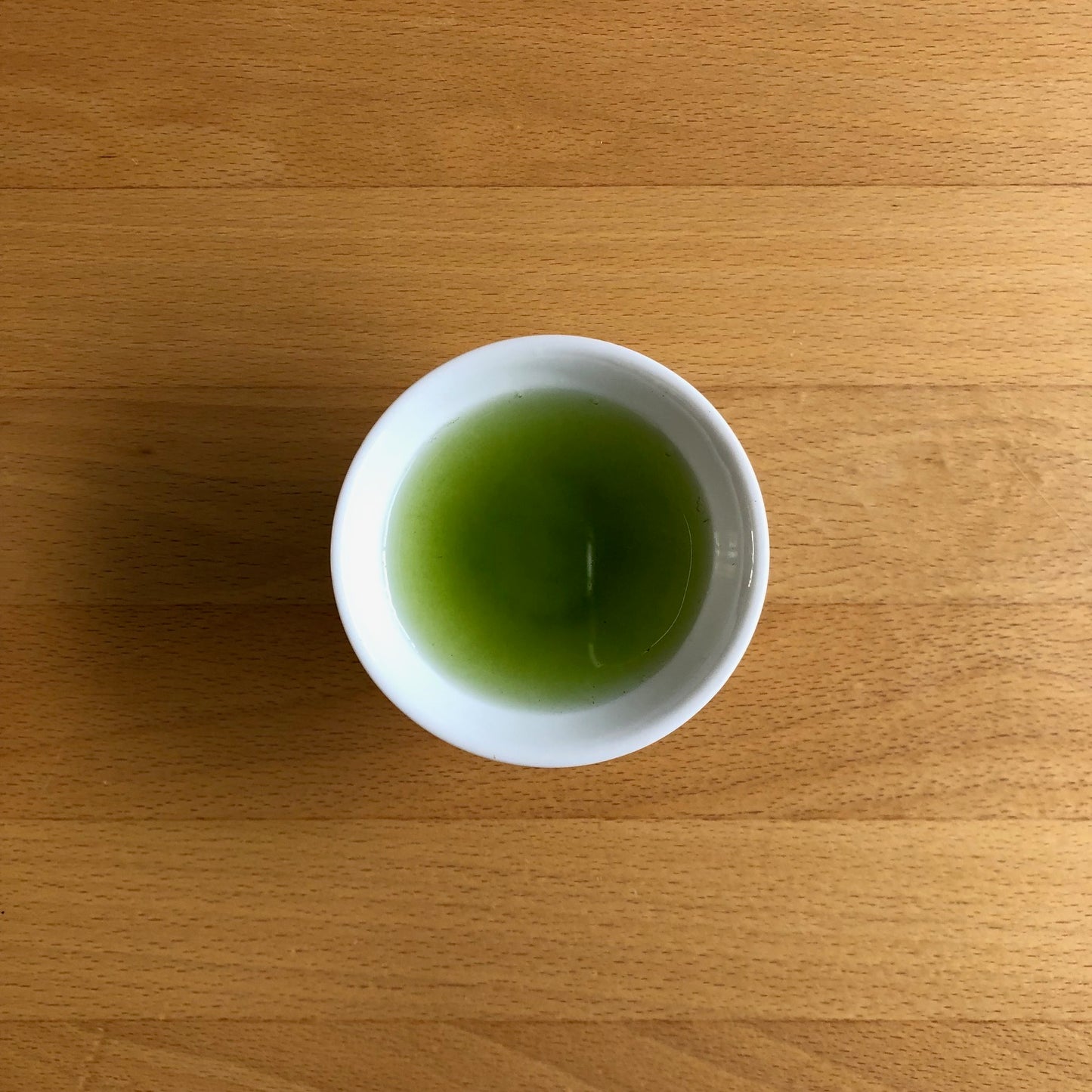
A mellow Kagoshima Saemidori with its soft cup character, first brew, and closest Saemidori comparison shown up front.
What the cup is like
Saemidori gives this sencha a soft, rounded cup with gentle sweetness and a mellow green finish. Choose it when you want premium sencha that feels calm and easy to drink.
First cup
This matches the first infusion in the brewing notes below.
2025 Final Batch — While supplies last
This is one of the last remaining batches from our 2025 spring harvest in Kagoshima. It has been stored carefully to preserve its character. Best enjoyed by December 30, 2026. The 2026 first pick has now arrived — see it here. We are offering this 2025 batch at a slightly lower price during the transition.
Kagoshima Fukamushi (Deep steamed) Sencha: A Blissful Cup Woven from the Blessings of Sun and Earth
- Origin: Kagoshima prefecture
- Harvest Season: 2025 April
- Cultivar: Saemidori
- Steam: Deep steam
- Shading: around 7 days
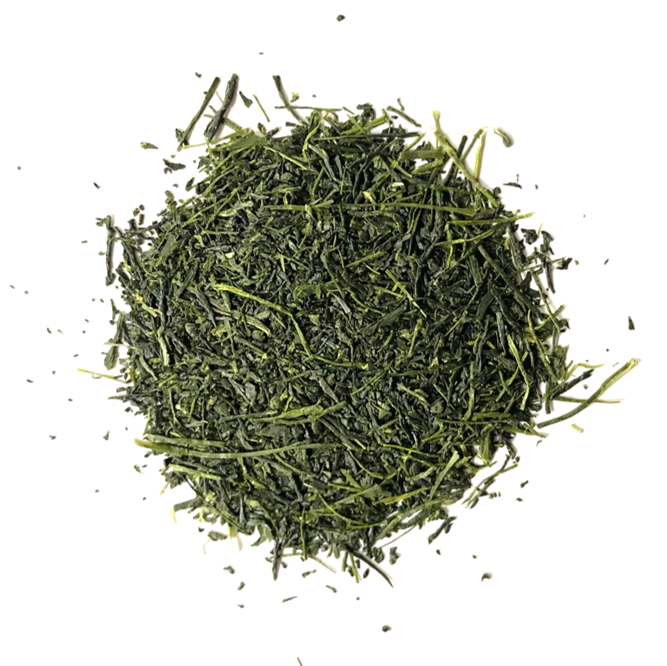
- Net Weight: 50g (~16 servings, using 3g per serving)
Who This Tea Is For
This Saemidori is a good choice if you enjoy Japanese green tea but prefer a cup with less bitterness. It has the depth of a premium sencha, but the taste is gentle and easy to approach.
- For people who like umami-rich sencha
- For those who want a smooth tea with very little astringency
- For daily tea drinkers who want something a little more special
- For cold brew, where its sweetness and vivid green color come through beautifully
What Makes This Tea Different
- Saemidori cultivar: Known for its vivid green color, gentle sweetness, and low astringency.
- Kagoshima terroir: Warm sunlight, volcanic Shirasu soil, and river mist help create a bright yet mellow cup.
- Deep-steamed finish: Fukamushi processing brings out a smooth body and a beautiful bright-green liquor.
Taste Notes:
- Umami: ■■■■□ (4/5)
- Sweetness: ■■■■□ (4/5)
- Astringency: ■□□□□ (1/5)
- Aroma: ■■■□□ (3/5)
- Body: ■■■■□ (4/5)
Why This Tea Is Special
"Saemidori" means "vivid green" in Japanese. What sets this cultivar apart is its natural sweetness and deep umami with very little of the bitterness sometimes found in green tea. The deep-steaming (Fukamushi) method creates a smooth, velvety cup.
From Kagoshima's Volcanic Terroir
At the southern tip of Japan, volcanic "Shirasu" soil is light and well-draining, a condition well suited to tea cultivation in Kagoshima. Combined with the region's abundant sunshine, this terroir helps create teas with a distinctly bright character.
This tea is finished as Fukamushi (deep-steamed) sencha. The deeper steaming softens the leaves and helps release a full, rich umami, creating a smooth texture that sets this tea apart.
How to Brew Saemidori
First Infusion
- Tea: 3g
- Water: 100ml / 3.4 fl oz
- Temperature: 70°C / 158°F
- Time: 60 seconds
Second Infusion
- Water: 80°C / 176°F
- Time: About 10 seconds
Third Infusion
- Water: 85°C / 185°F
- Time: 15-20 seconds
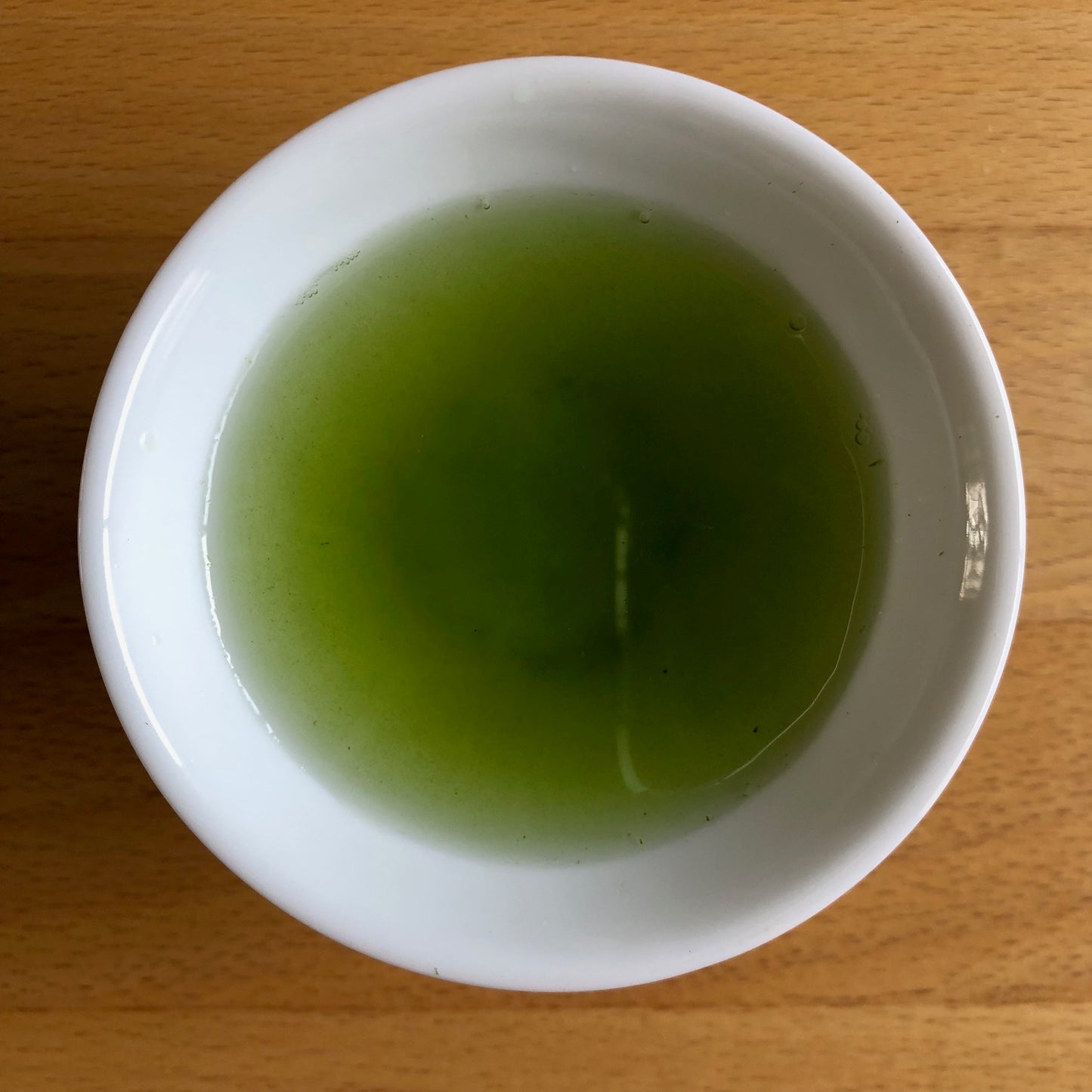
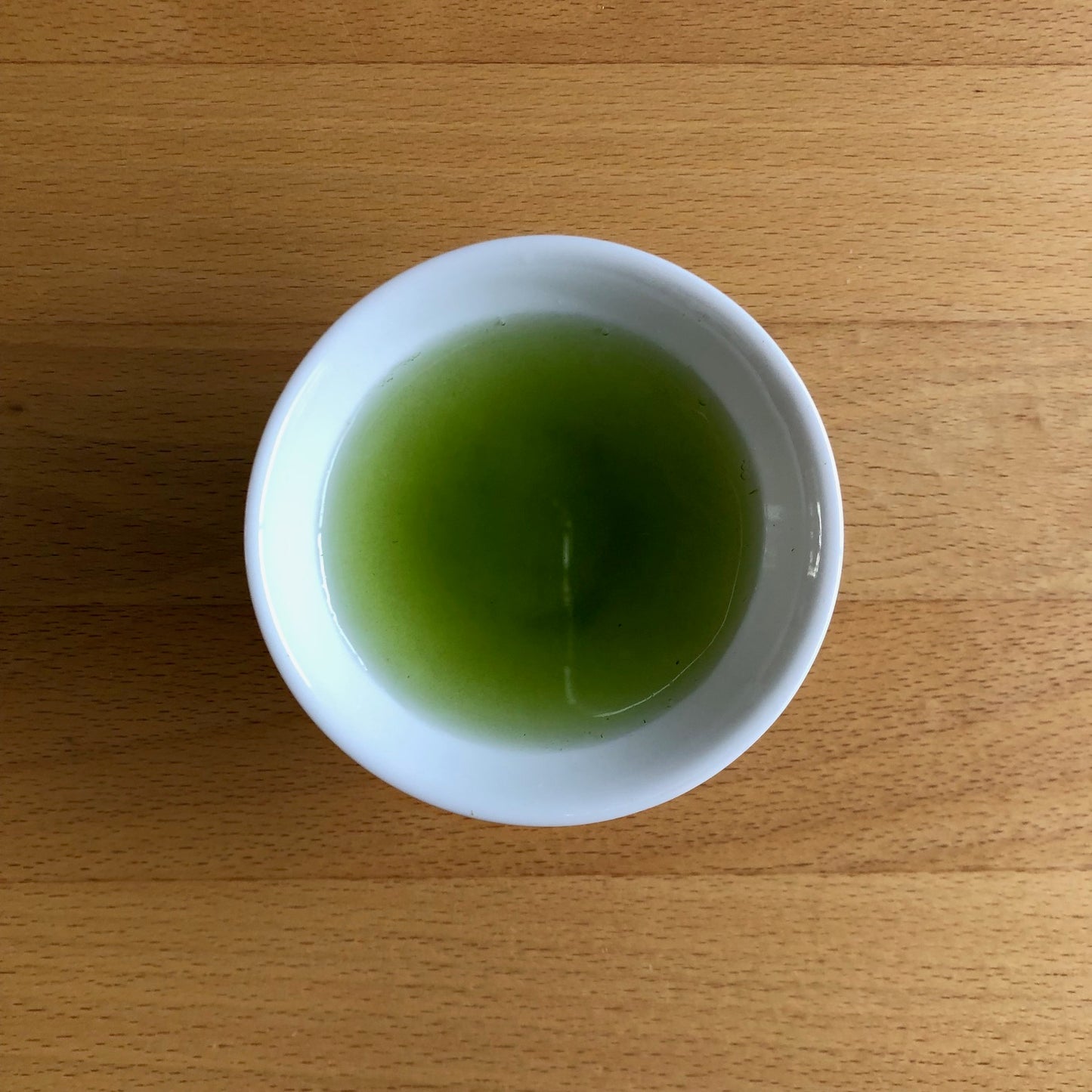
Pour until the final drop. In Japanese tea, the last drop often carries the deepest flavor. We also recommend a white cup so you can fully enjoy Saemidori's vivid green color.
Cold Brew
Saemidori works beautifully as cold brew. Use 5g of tea with 500ml of cold water and steep in the refrigerator for 4-6 hours. The result is soft, green, and naturally sweet.
Food Pairing
Saemidori has a gentle sweetness and low astringency, so it pairs well with foods that are light, soft, and not too strongly seasoned.
- Japanese sweets: dorayaki, castella, yokan
- Light meals: rice balls, steamed rice, simple grilled fish
- Western sweets: shortbread, butter cookies, plain pound cake
- Cold brew pairing: fresh fruit, light sandwiches, summer salads
Teas to Try Alongside This One
- Saemidori 2026 First Pick: for the current first-pick batch of the same mellow Kagoshima cultivar.
- Hoshino Shizuku 2026: for a deeper, mountain-grown first-pick sencha from Yame Hoshinomura.
- Yuzu Wakocha: for a citrus organic black tea, a different mood next to premium sencha.
- Honoka Wakocha: for a floral Japanese black tea, an afternoon change of pace from green tea.
Comparison FAQ
How is Saemidori different from Koshun Sencha?
Koshun is more aromatic and distinctive, with a clearer cultivar character. Saemidori is rounder, sweeter, and easier to drink. Choose Koshun for fragrance, and Saemidori for mellow umami.
How is Saemidori different from Hoshino Shizuku?
Hoshino Shizuku has a deeper mountain character and a more layered finish. Saemidori is brighter, smoother, and more approachable. Both are premium sencha, but they express very different landscapes.
Is Saemidori good for sencha beginners?
Yes. Because it has very little bitterness and a gentle sweetness, Saemidori is one of the easier premium sencha teas to enjoy.
Can I cold brew this tea?
Yes. Use 5g of tea with 500ml of cold water and steep in the refrigerator for 4-6 hours. The result is soft, green, and naturally sweet.
Choosing a Few Teas
If you are choosing several teas together, use this final-batch Saemidori as the mellow sencha, then compare it with Saemidori 2026 or Hoshino Shizuku 2026 for a fresher spring sencha expression.
The story of its terroir, taste, and tradition
The Tea's Résumé
The Terroir of Kagoshima
The Alchemy of Kagoshima: Turning Challenge into Character
At ShiZen Tea, we travel across Japan to find exceptional teas and share their stories. We are honored to introduce you to a special Saemidori we discovered in the sun-blessed region of Kagoshima.
A Land of Blessings and Trials
Kagoshima is a region at the southern tip of Japan, a place of immense natural energy. When we visited, we were struck by the power of the landscape. The active volcano, Sakurajima, stands as a symbol of the region, and its past eruptions have blessed the land with a unique soil called "Shirasu."
This soil is light and drains water exceptionally well, which is ideal for growing healthy tea. This, combined with the region’s famously bright and abundant sunshine, creates teas with a distinctly cheerful and vibrant character. It is this sun-filled energy that we wanted to capture and bring to you.
However, Kagoshima is not simply a paradise. It is a land that demands growers to deeply understand the characteristics of nature, to constantly engage with it, and to apply their ingenuity. The very soil that drains so well struggles to retain nutrients, and the volcano that enriches the earth sometimes covers the fields in ash. Furthermore, in the mountainous areas and basins, the rivers and topography frequently generate a deep mist. This mist acts as a natural veil, gently shielding the tea leaves from the harsh sun. As the sunlight softens, the tea’s astringency is suppressed, and its rich umami components are slowly nurtured.
Answering Nature with a Quiet Wisdom
What impresses us most when we speak with the growers in Kagoshima is their powerful attitude of overcoming these challenges with wisdom and skill, turning them into unique strengths.
This philosophy is perfectly embodied in the story of "Yutakamidori," a variety that is now famous as a representative of Kagoshima. This variety was once poorly regarded in other regions, dismissed for being "too astringent". The growers of Kagoshima, however, saw its other possibilities. Through persistent research into their own unique techniques—such as covering the tea plants before harvest and employing a deep-steaming method—they transformed what was once considered a "flaw" into a rich, full-bodied sweetness.
This attitude of believing in the value of an overlooked characteristic and maximizing its appeal through technique is a common thread that also runs through their history of boldly shifting from black tea to green tea in a time of crisis, and their technological innovations to overcome the difficulties of volcanic ash.
They do not simply obey or fight against nature; they understand it, engage with it, and coexist. And this dedicated philosophy is deeply alive in the "Saemidori" variety we have chosen for you.
We feel compelled to bring this Kagoshima tea to you because we believe its flavor is infused with the sincere and earnest spirit of its growers.
About cultivar Saemidori
The Green Thoroughbred: An Introduction to Saemidori
Before we introduce Saemidori, please allow us to share a little about the landscape of Japanese green tea. While there are many tea varieties cultivated in Japan today, the vast majority of the cultivation area is dominated by a single variety called 'Yabukita'. The reality is that many tea-producing regions rely heavily on this one cultivar.
The Birth of a 'Green Thoroughbred'
It is against this backdrop that 'Saemidori' was born as an elite variety, a true "thoroughbred" of the Japanese tea world. Its parents are two of Japan's most celebrated cultivars. One is the "king," 'Yabukita,' known for its balanced flavor and resilience. The other is the "queen," 'Asatsuyu,' which is praised for its remarkable sweetness and vibrant green color, earning it the nickname "Natural Gyokuro."
In 1969, at a national research institute in Kagoshima, these two varieties were crossbred with a clear purpose: to combine the best traits of each. After more than two decades of careful selection, 'Saemidori' was finally born. Its name, meaning "vivid green," comes from the breathtakingly bright green color of the tea when brewed.
The Character of the Cultivar
The appeal of 'Saemidori' goes beyond its beautiful appearance.
Rich umami and sweetness. Saemidori contains a particularly high amount of amino acids such as theanine and arginine, which are responsible for the savory umami flavor of green tea. This creates a rich, mellow, and expansive taste in the cup.
A clean, smooth finish. At the same time, it has a lower content of the catechins (specifically gallate-type catechins) that cause the strong astringency sometimes found in green tea. The result is a clean finish without harsh bitterness.
A vivid green liquor. True to its name, the brewed cup shows a bright, vivid green that is one of the visual signatures of this cultivar.
In short, Saemidori is a sencha cultivar that brings together strong umami, gentle sweetness, low astringency, and a vivid green color in a single cup.
A Perfect Match: Why Kagoshima's Saemidori is Special
While the cultivation of 'Saemidori' has begun to spread across Japan, there is a clear reason we are so particular about offering it from Kagoshima.
First, 'Saemidori' was originally bred in Kagoshima. In a sense, it is an elite cultivar that has returned to its "hometown" — a place its genetics are perfectly suited for. The brilliant Kagoshima sun nurtures a powerful umami and richness in the tea leaves. Furthermore, as we mentioned in our story, the deep mist generated by the rivers acts as a natural veil, shielding the leaves from excessive sun, suppressing astringency, and allowing the umami to develop slowly and deeply.
The unique terroir of Kagoshima draws out the character of the Saemidori cultivar, creating a vivid green color and a deep, clear flavor that is hard to find elsewhere.
Detailed taste profile
The Flavor Profile: A Taste of the Sun-Drenched Meadow
The flavor of this tea evokes a vast, green meadow, bathed in brilliant sunshine. It is active, joyful, and full of a positive energy that brightens the spirit of the drinker.
Aroma
As you bring the teacup close, a crisp, clean aroma of freshly cut young grass rises to greet you. Beneath it lies a subtle sweetness, reminiscent of freshly steamed green peas. It is a scent that is vibrant, cheerful, and full of life.
Flavor
The first sip feels like a direct infusion of the sun and the earth. A deep and rich green umami generously fills the palate, with no trace of harshness or astringency. The rich flavor passes smoothly down the throat, leaving a surprisingly refreshing sensation.
Finish
The pleasant experience continues long after you've finished. A delicate, sweet aftertaste lingers on the tongue, and a gentle, grassy aroma softly escapes through the nose, leaving you with a feeling of bright contentment and clarity.
How to brew
▼ How to Brew
This is our recommended method for a single serving, designed to fully draw out the vibrant umami and vivid green color that this tea possesses. A little care can make a surprising difference in the taste. Please, take a moment to try it.
First Infusion:
-
Tea Amount: 3g (approx. 1 heaping tsp)
-
Water: 100ml (3.4 fl oz)
-
Temperature: 70°C (158°F)
-
Steeping Time: 60 seconds
Steps
-
First, pour hot water into the kyusu (teapot) and teacup to warm them. The water poured into the cup can then be used, as it will have cooled to approximately 70°C.
-
Empty the hot water from the warmed kyusu and place the tea leaves inside.
-
Gently pour the cooled water into the kyusu and wait for 60 seconds as the leaves slowly unfurl.
-
Pour into the teacup, making sure to get the final drop. This last drop contains the most concentrated umami.
Pro Tip
-
For the second infusion, you can use slightly hotter water (around 80°C / 176°F) and a much shorter steeping time of about 10 seconds. You will discover a different character, with a refreshing astringency and aroma.
-
You can enjoy this tea for up to three delicious infusions. Please notice how the delicate flavor profile evolves with each steep.
-
To fully appreciate the vibrant green liquor of Saemidori, we recommend using a white porcelain teacup.
FAQ
Q. How soon will my order be shipped?
A. We typically ship orders within 1-3 business days. In the rare event that an item is out of stock, it may take longer. If that happens, we will contact you directly to discuss the options.
Q. What is your return policy?
A. If there is a quality issue, damage, defect, or wrong item, please contact us within 30 days so we can arrange a refund or replacement. Unopened tea in its original factory-sealed package and unused tea ware can be returned within 14 days. Opened tea cannot be returned for food-safety reasons. Orders can be cancelled before shipment. Please see our Refund Policy for the full terms.
Q. Is this tea organic?
A. This tea is not certified organic. It is produced in Japan under Japanese agricultural standards. If you are looking specifically for certified organic tea, we recommend our Organic Sencha or Organic Matcha.
Q. Will I have to pay customs and import taxes?
A. For U.S. orders, import duties and related charges are currently handled by ShiZen Tea when applicable, so you should not normally be asked to pay customs charges on delivery. For other countries, customs duties, import taxes, or local fees may vary depending on your country's regulations and may be charged to the buyer. Please check with your local customs authority if you are unsure.
Q. Can I track my order?
A. Yes, tracking is available for all orders. Once your order has been shipped, you will receive a confirmation email containing your tracking number and a link to track your package.
Q. How much caffeine does this tea contain?
A. Yes. Like other Japanese green teas, this tea contains caffeine. The exact amount can vary depending on the tea amount, water temperature, and steeping time. If you are sensitive to caffeine, we recommend enjoying it earlier in the day.
Q. How should I store the tea?
A. Please store the tea in a cool, dark place, away from heat, humidity, and direct sunlight. After opening, seal the package tightly and enjoy it as soon as possible, while the aroma is still fresh.
Q. What payment methods do you accept?
A. We accept all major credit cards (Visa, MasterCard, American Express) as well as PayPal.