


ShiZen Tea
Sayama Hatsuzumi 2026「初摘み」— Premium Asamushi Sencha (Japanese Green Tea) from Saitama 50g
Sayama Hatsuzumi 2026「初摘み」— Premium Asamushi Sencha (Japanese Green Tea) from Saitama 50g
Shipping from Japan
Select a country to see shipping rates.
- Tracked shippingUS$8.99
Postal service · 7–14 business days (up to 21)
- Express shippingUS$28.90
FedEx / DHL / EMS · 4–8 days · Tracking provided
Shipping is not currently available for this destination.
Couldn't load pickup availability
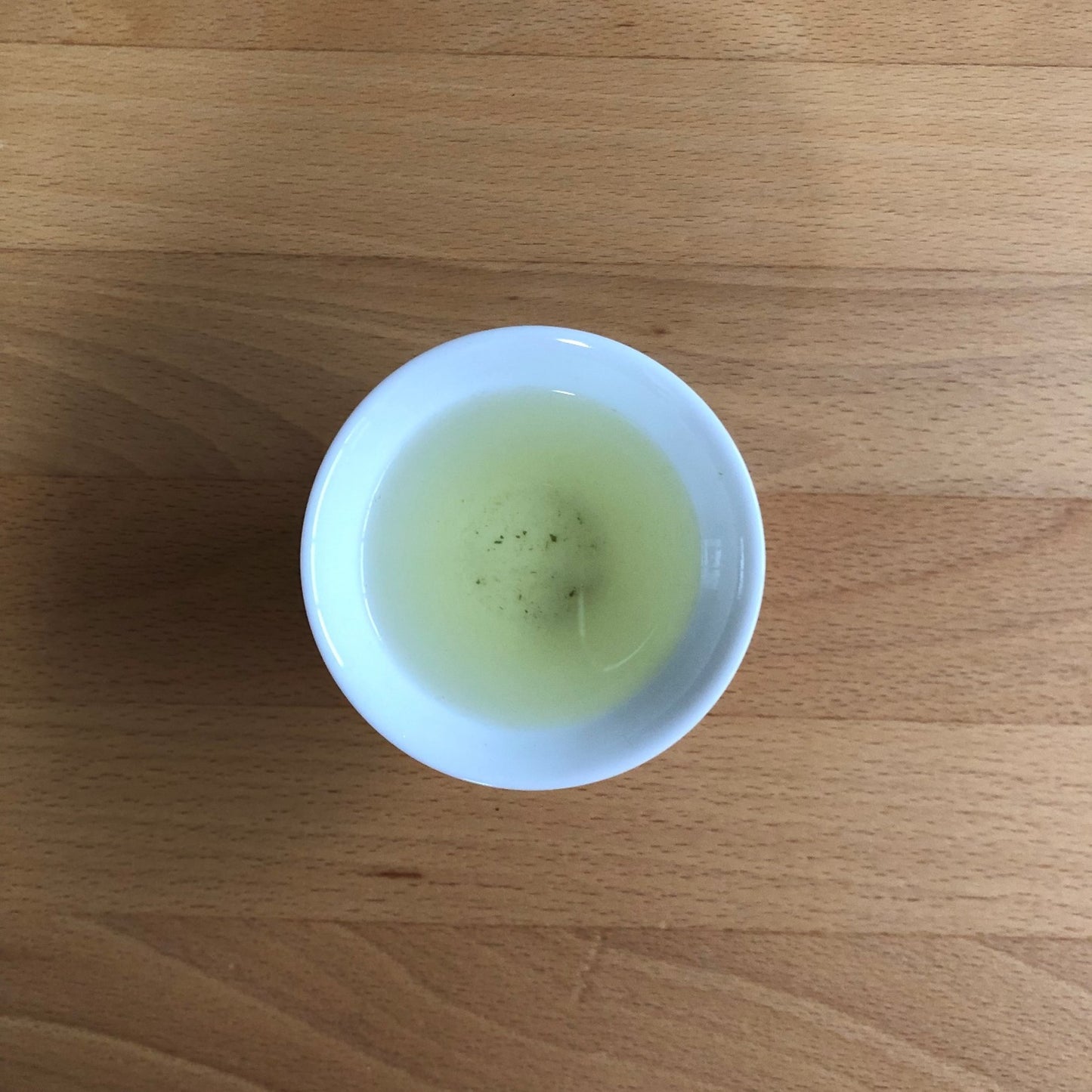
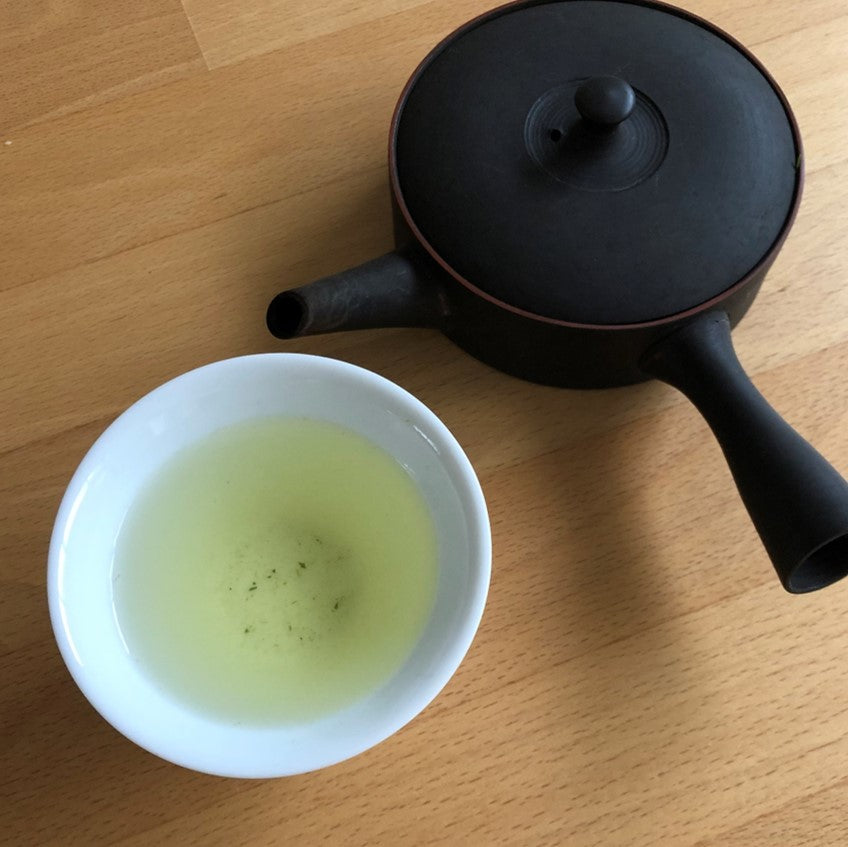
A bright spring-harvest asamushi sencha from Sayama, with fresh green aroma, steady umami, and a crisp finish. Tanagake-shaded Yabukita keeps the lightly steamed cup clear and layered.
Taste profile
How to brew
2026 Hatsuzumi — Just arrived
This year's first pluck from the Oonishi-en estate in Sayama has reached our shop. Best enjoyed by May 8, 2027.
Sayama Asamushi (Light steamed) Sencha — A gentle, bright cup from one of Japan's three great tea regions
- Origin: Iruma, Saitama prefecture (Sayama)
- Harvest Season: late April 2026
- Cultivar: Yabukita
- Steam: Light steam (Asamushi)
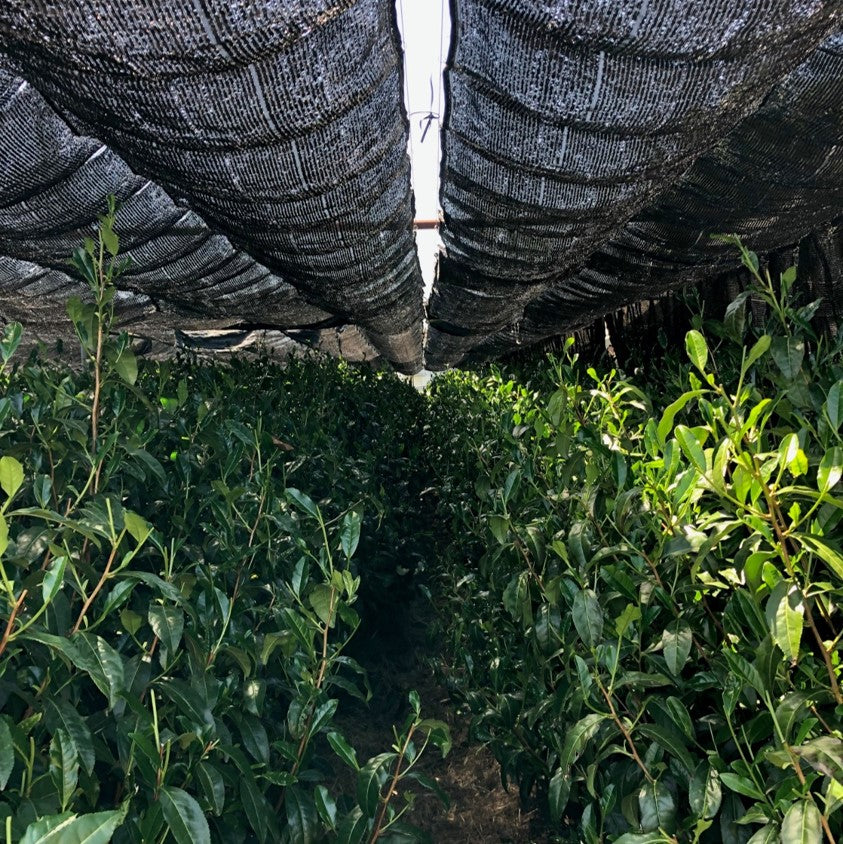
- Shading: Tanagake style, kanreisha cloth
- Producer: Oonishi-en
- Net Weight: 50g (approx. 10-15 servings)
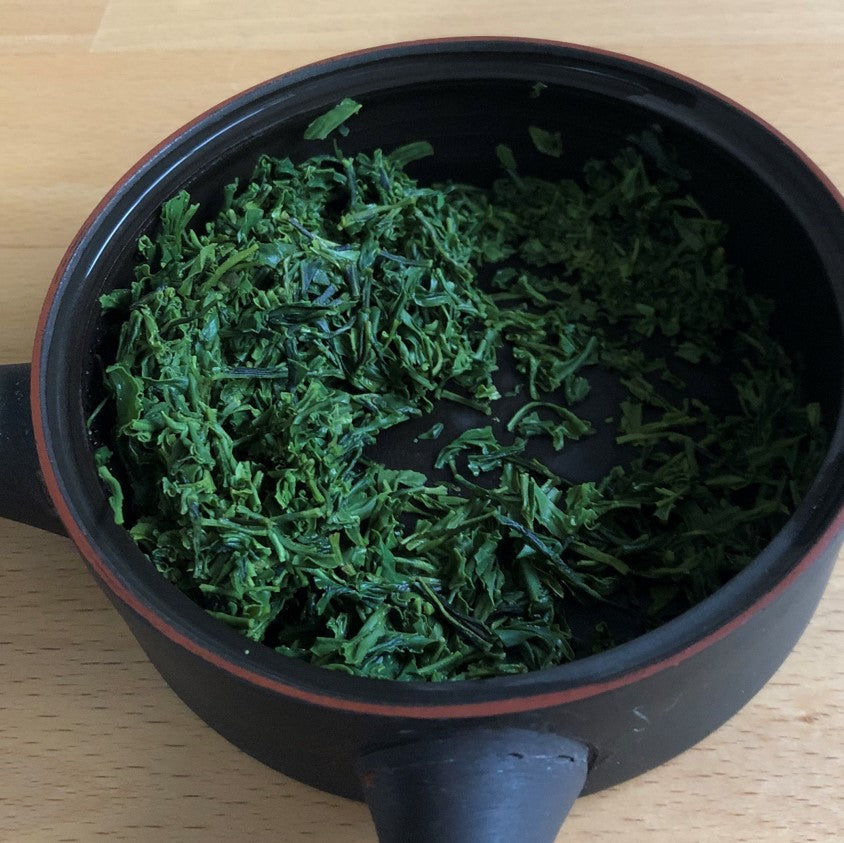
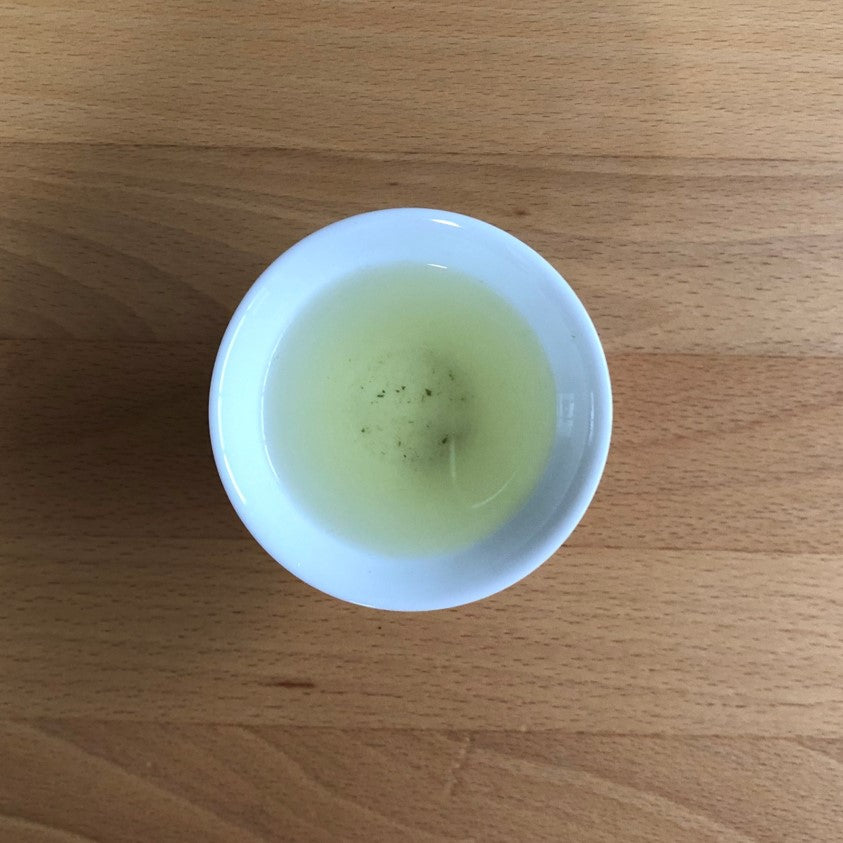
This year's batch: A remarkably gentle batch this year — bright and clean on the surface, with firm umami settled underneath. The aroma is fresh and green, with a quiet, crisp finish.
From Sayama, Where the Tea Grows Slowly
Sayama, in the cooler hills of Saitama, is one of Japan's three great tea regions — alongside Uji and Shizuoka. The northern climate means the first pluck comes later than in the south, in late April. The wait shapes the cup: slower growth, deeper umami, and the calm, settled character Sayama is loved for.
Sayama is often associated with deeper-steamed, full-bodied sencha. This Hatsuzumi batch is finished as asamushi, or lightly steamed sencha — the lighter steaming keeps the cup clear and fresh, while the first-pick leaves and tanagake shading bring the depth and umami that make Sayama tea so satisfying.
Made at Oonishi-en
Hatsuzumi is made at Oonishi-en, a historic Sayama tea estate with more than 250 years of tea-making history.
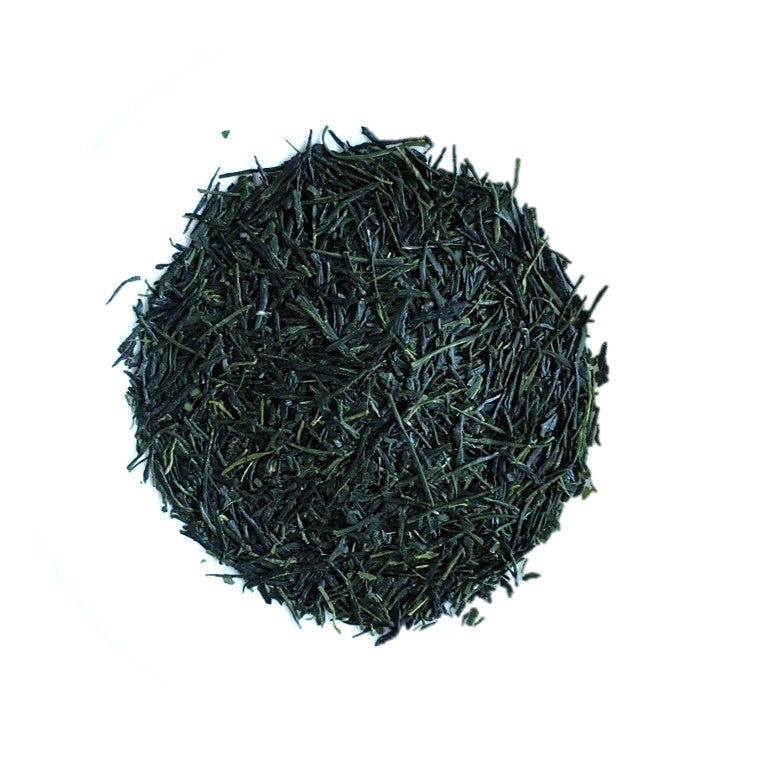
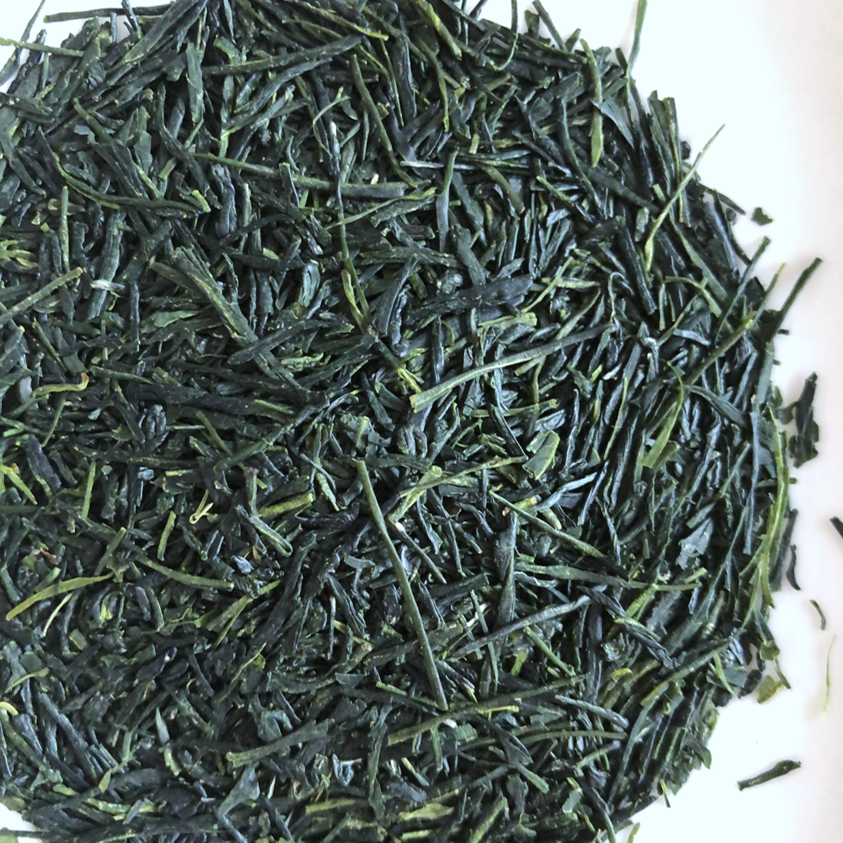
This Hatsuzumi is not a hand-rolled tea; like most Japanese sencha, it is finished with modern machinery. But the same discipline behind hand-rolling is visible in its clean leaf shape, fresh spring aroma, and steady umami.
How It Is Shaded
The leaves are shaded with a method called tanagake — a frame draped with kanreisha cloth to soften the spring sunlight. The shaded leaves accumulate more amino acids, enhancing the natural umami and sweetness without the need for heavier processing.


Who This Tea Is For
- For people who want to taste a first-pick Japanese sencha at its freshest
- For sencha drinkers curious about Sayama's character
- For those who prefer a clear, bright cup over heavier deep-steamed styles
- For anyone who enjoys a tea with both fresh spring aroma and settled umami
- For gift-giving when you want a quietly distinctive seasonal sencha
How to Enjoy
This is a light-steamed (asamushi) sencha, so brew gently to draw out its full character.
- For umami and sweetness — 4-5g leaf, 65-70°C water, 1 min 15 sec, 100-120ml
- For aroma — 4-5g leaf, 80-85°C water, 30 sec, 100-120ml
For warmer days, this tea also makes a clear, gentle cold brew: 5g of leaf in 500ml of cold water, left in the fridge for 4-6 hours.
Teas to Try Alongside This One
These nearby sencha and shaded teas give useful contrasts beside Hatsuzumi. Each shows a different angle on Japanese green tea, from softer Kagoshima sencha to deeper shaded cups.
- Saemidori 2026: for a softer Kagoshima first-pick sencha with mellow umami.
- Hoshino Shizuku 2026: for a deeper mountain-grown first-pick sencha from Yame Hoshinomura.
- Organic Sencha Superior: for a mellow, certified-organic spring-pick sencha from Kawane.
- Organic Gyokuro: for a deep shaded green tea brewed cooler and more concentrated.
Comparison FAQ
How is Hatsuzumi different from Saemidori?
Saemidori is a Kagoshima sencha with soft, mellow umami and gentle sweetness. Hatsuzumi is a Sayama first-pick: brighter and fresher on the surface, with a quiet crisp finish from the lighter steaming.
How is Hatsuzumi different from Koshun?
Koshun is built around aroma — a distinctive, fragrant single-cultivar sencha from Honyama. Hatsuzumi leans more toward balance: spring aroma and settled umami sitting together in the same cup.
How is Hatsuzumi different from Hoshino Shizuku?
Hoshino Shizuku is a deeper, layered sencha from the mountains of Yame, where the cup carries more body and weight. Hatsuzumi is lighter and brighter — a first-pick sencha that stays clear on the palate.
How is Hatsuzumi different from Organic Sencha?
Organic Sencha is a clean, refreshing daily cup that is also certified organic. Hatsuzumi is not organic-certified; it is a seasonal first-pick from a specific Sayama producer, with more pronounced umami and aroma.
How is Hatsuzumi different from Okumidori with Matcha?
Okumidori with Matcha is a sencha coated with matcha powder, giving a fuller body and a deeper green color. Hatsuzumi is a pure first-pick sencha — no matcha coating — and the cup stays clear and bright.
Is Hatsuzumi a deep-steamed Sayama sencha?
No. Sayama is often associated with deeper-steamed sencha, but this Hatsuzumi batch is finished as asamushi, or lightly steamed. The lighter steaming keeps the cup clear and fresh while the first-pick leaves and tanagake shading carry the depth and umami.
Can I cold brew Hatsuzumi?
Yes. 5g of leaf in 500ml of cold water, left in the refrigerator for 4-6 hours. The cup comes out clear and gently sweet — a good way to enjoy this tea on warmer days.
FAQ
Q. How soon will my order be shipped?
A. We typically ship orders within 1-3 business days. In the rare event that an item is out of stock, it may take longer. If that happens, we will contact you directly to discuss the options.
Q. What is your return policy?
A. If there is a quality issue, damage, defect, or wrong item, please contact us within 30 days so we can arrange a refund or replacement. Unopened tea in its original factory-sealed package and unused tea ware can be returned within 14 days. Opened tea cannot be returned for food-safety reasons. Orders can be cancelled before shipment. Please see our Refund Policy for the full terms.
Q. Is this tea organic?
A. This tea is not certified organic. It is produced in Japan under Japanese agricultural standards. If you are looking specifically for certified organic tea, we recommend our Organic Sencha or Organic Matcha.
Q. Will I have to pay customs and import taxes?
A. For U.S. orders, import duties and related charges are currently handled by ShiZen Tea when applicable, so you should not normally be asked to pay customs charges on delivery. For other countries, customs duties, import taxes, or local fees may vary depending on your country's regulations and may be charged to the buyer. Please check with your local customs authority if you are unsure.
Q. Can I track my order?
A. Yes, tracking is available for all orders. Once your order has been shipped, you will receive a confirmation email containing your tracking number and a link to track your package.
Q. How much caffeine does this tea contain?
A. Yes. Like other Japanese green teas, this tea contains caffeine. The exact amount can vary depending on the tea amount, water temperature, and steeping time. If you are sensitive to caffeine, we recommend enjoying it earlier in the day.
Q. How should I store the tea?
A. Please store the tea in a cool, dark place, away from heat, humidity, and direct sunlight. After opening, seal the package tightly and enjoy it as soon as possible, while the aroma is still fresh.
Q. What payment methods do you accept?
A. We accept all major credit cards (Visa, MasterCard, American Express) as well as PayPal.